What glaciers
do to a culture
Four threads, one valley.
Written down
Manuscripts marked under review or submitted are with the journal named and not yet accepted. Preprints and full texts are available on request. Email is the fastest route.
Ongoing work
Cultural anthropology
Kinship, ritual, and the ordinary politics of belonging with glaciers
Indigenous knowledge systems
Hydrological Knowledge, Irrigation, seed-saving, pasture rotation, work kept alive by knowledge practitioners.
Climate change & resilience
Glaciers retreating. What that does to a planting calendar nobody wrote down but everyone follows.
Ethnoarchaeology
Reading what people do with objects now for the longer histories sitting underneath it.
Polo beyond sport
Sovereignty and identity in Balti culture
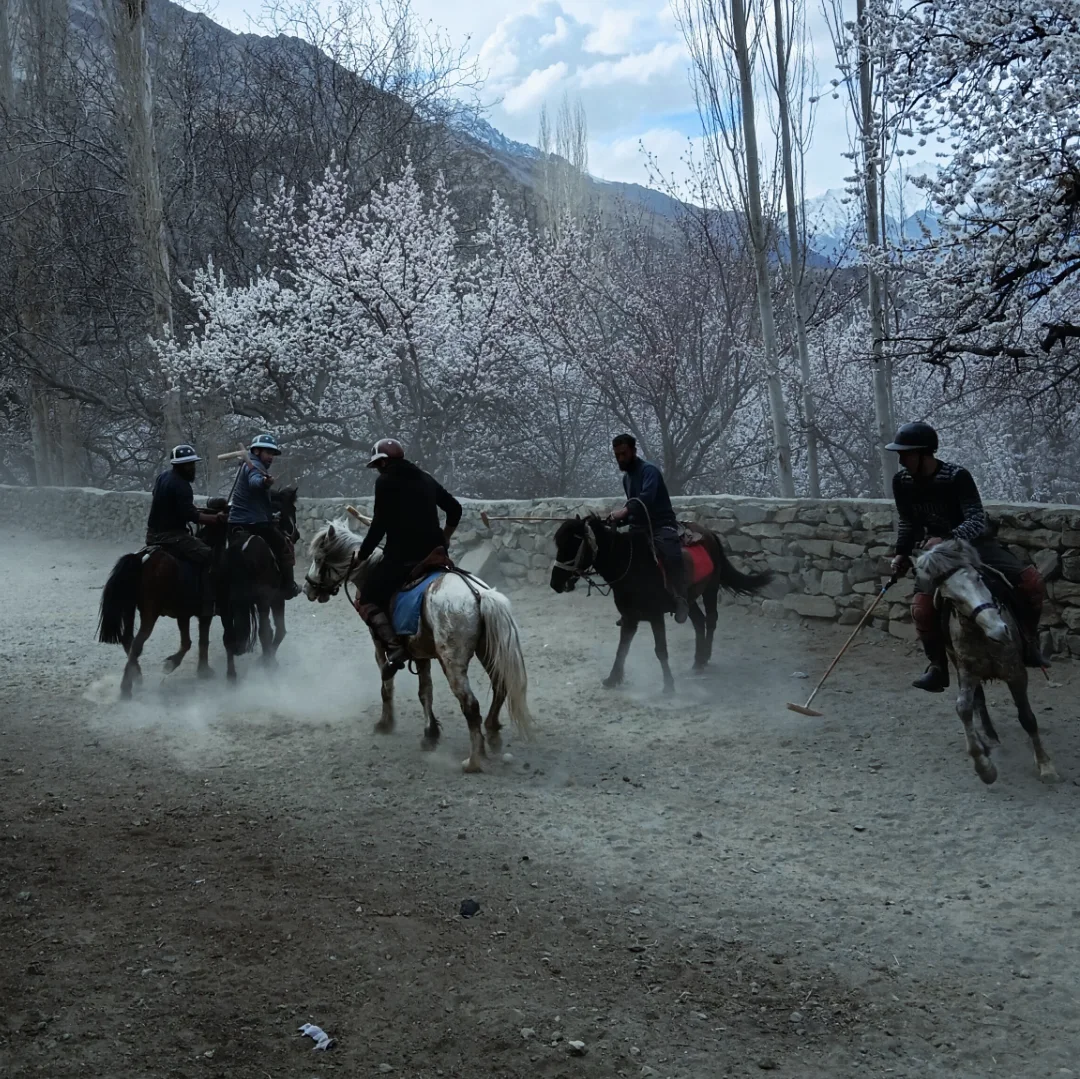
Balti polo isn’t the game colonial writers described a century ago, though it likes to look that way. Each spring in Ladakh and Baltistan, it’s played with local sticks, local horses, and rules nobody has written down and everybody somehow agrees on. I read the match as a kind of claim. A Baltistan-facing identity asserted in public, inside an Indian frame, without anyone having to say anything that could be held against them later.
The International Journal of the History of Sport



Wounds of progress
Tourism and indigenous sustainability in Nubra
Turtuk opened to visitors in 2010. Cash followed, and homestays, and a certain kind of reputation. Water discipline slipped. Fewer hands were left for the fields. Control over the village’s own story slipped too, bit by bit, into other people’s hands. This project follows the money and the water together, because in Nubra, if you’re honest about it, they turn out to be the same question.
Annals of Tourism Research · WAC-10, Darwin
Cultural heritage of the Balti community
Conflict, sustenance and technology
This is the doctoral core: what a divided community holds on to, what it lets go of, and what it decides to rebuild on purpose. Two families in Turtuk have turned their own houses into museums, with no curator and no committee involved anywhere. That fact alone kept me coming back for another season.
Masters Dissertation · Community museums fieldwork


When the calendar breaks
Unseasonal snow and agricultural timing
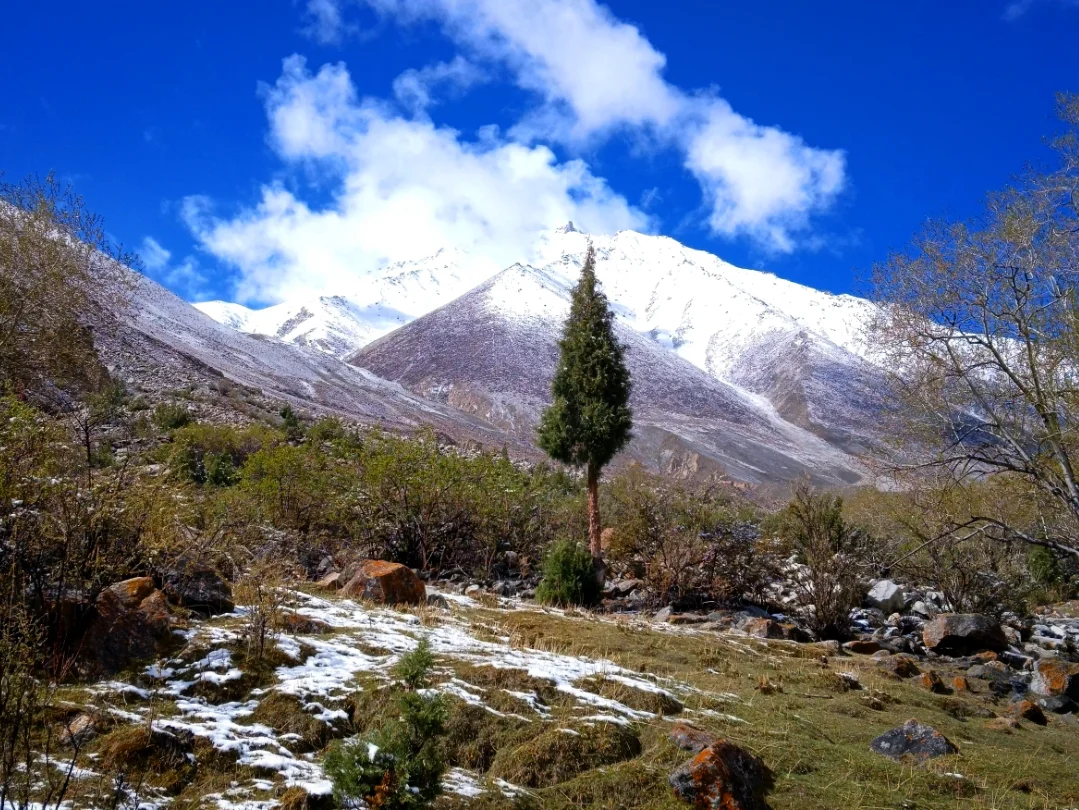
March snow used to be a blessing in Turtuk. Now it sometimes arrives after the apricot has already flowered, and it kills the year’s fruit instead of feeding it. I’m tracking how households rewrite an inherited agricultural calendar in real time, and what, exactly, gets lost every time they do. It isn’t only a planting problem. It’s an ontological one: what nature is supposed to do, and what it means when it stops doing it.
Field notes · popular writing